Reviews
December 2025 95 Points Jeb Dunnuck
The 2018 Champagne Starck Brut Nature exhibits notes of lemon and citrus oils, but the stone fruit has a silkiness, not the tannic side you sometimes see. It also has hints of savory toast, but it remains very elegant. This 2018 is the first vintage that included a small amount of Pinot Blanc to add more depth to the mid-palate. Medium to full-bodied, it has a fleshy texture without being too bitter. With the extended time on lees, the Pinot Blanc is almost more perceptible in the blend – and if it isn’t now, it will be – because it complements the style with that ideal, almost aesthetic almond or fresh hazelnut character. It brings an oily, not overly fleshy quality, and none of the oxidative side you sometimes get from Pinot Blanc. Disgorged in October 2024, the second batch is scheduled for disgorgement this coming October for release next year
December 2025 94 Points Jeb Dunnuck
Coming from Verzy and Chouilly, the 2018 Champagne Vintage Brut has 80% Pinot Noir from Verzy and is the last vintage to include Chardonnay from Chouilly. Historically, the Chardonnay was included in the blend to soften the austerity of the Pinot Noir; however, with these recent vintages and warming conditions, this is no longer necessary, as the Pinot Noir is fully ripe and appealing on its own. In the glass, it offers aromas of pure red cherries, fresh flowers, bright spice, and wild raspberries. Medium to full-bodied, it has compact definition, a pillowy mousse, a chalky texture, and mouthwatering tangerine notes on the finish. While I am eagerly anticipating the 2019 release, this holds a fantastic place in the range to enjoy now or over the next 15 or so years.

December 2025 95 Points Jeb Dunnuck
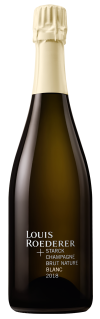
A bright medium yellow color, the 2019 Champagne Blanc de Blancs is focused on the nose and is an exciting wine because it’s beautiful and friendly yet still carries real structure. It has lemon sorbet and creamy cheese notes, with concentration and beauty but also vertical minerality. It’s a gorgeous Chardonnay with long-lasting energy and length, and the mousse is refreshing and springy, bringing fresh energy throughout.

December 2025 98 Points The World of Fine Wine
Creamy, smoky rose petals on the nose, slowly verge into the warm scent of fresh Genoese sponge. A moment later, the nose is all pink-veined, white peach, scented, and vivid. Aromas shimmer with quiet yet persistent intensity. It therefore comes as a surprise to find the palate so utterly weightless, so delicate and yet so profound. Salinity and chalk, citrus and Genoese sponge notions move like silk chiffon. When tasted again with salty food, a whole new dimension of fruitiness opens up, intrinsic, profound, always chalky, in a dazzling display of ageless beauty.

December 2025 96 Points Wine Spectator
This is rich and layered, offering baked peach and cherry fruit alongside singed orange peel and salted Marcona almond flavors, with an underpinning of minerally chalk and brine notes. Yet the concentrated profile is set in an elegant frame of sleek acidity and a fine, satinlike mousse, waltzing across the palate and through the lasting finish. Drink now through 2039.